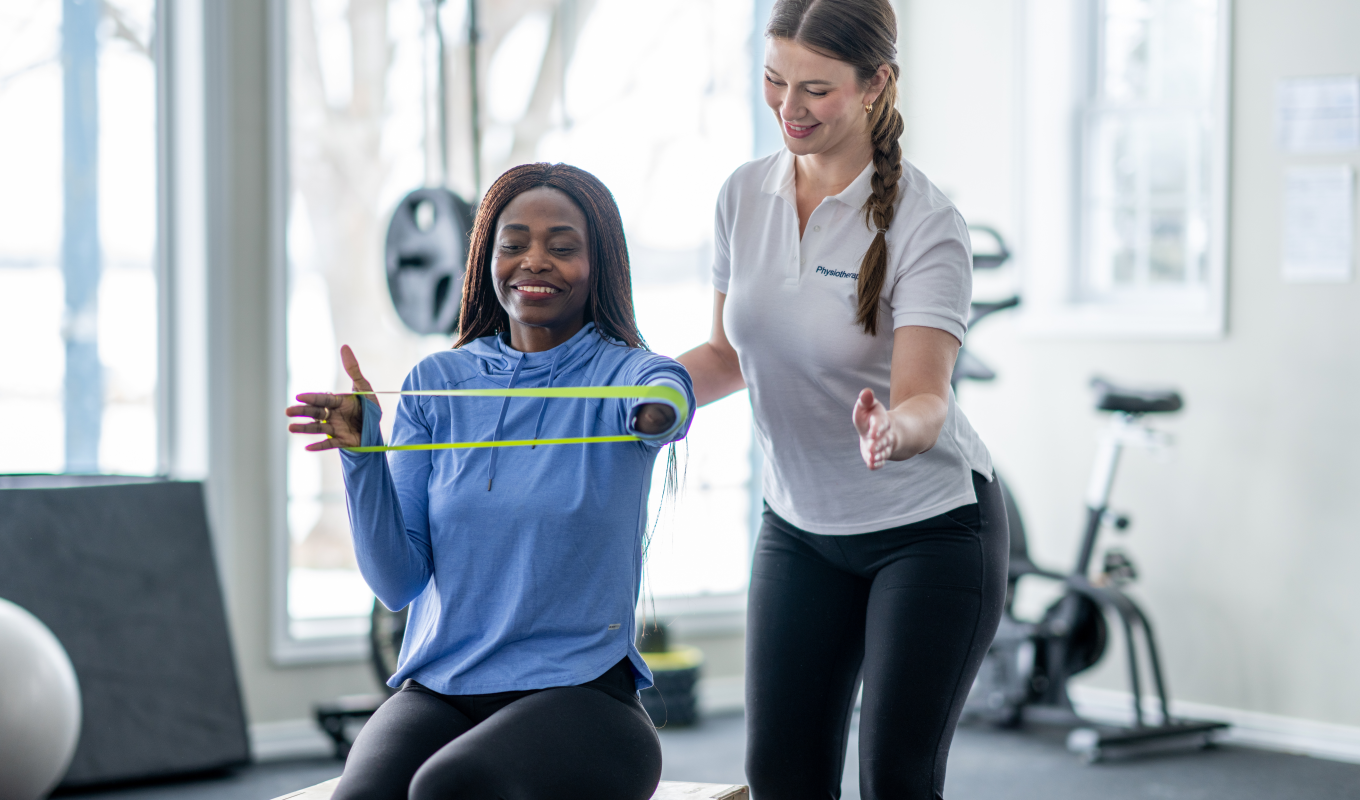
Moving well is essential to staying independent and comfortable in daily life. When pain, weakness, or balance concerns interfere with everyday activities, movement and strength physical therapy provides structured support to help rebuild confidence through
safe, guided movement.
This approach can benefit people at many stages of life—from those managing chronic discomfort to individuals recovering from injury or looking to feel steadier and stronger during daily routines.
What is movement and strength physical therapy?
Movement and strength physical therapy focuses on how the entire body moves, rather than treating a single painful area in isolation. Licensed physical therapists assess functional movement patterns such as walking, standing, bending, reaching, and lifting.
Care includes evaluating muscle strength, joint mobility, balance, coordination, and posture. Based on this assessment, a personalized plan is created to improve movement efficiency, build strength, and support long-term physical function.
Who can benefit from movement and strength physical therapy
This approach is well suited for people seeking practical, functional improvement, including:
- Adults managing chronic pain, joint discomfort, or stiffness
- Individuals recovering from injury or surgery
- People returning to physical activity or exercise
- Older adults focused on balance, strength, and fall prevention
For many, in-home care makes this type of therapy more accessible by removing travel barriers and allowing treatment to focus on real-life movement.
Conditions and programs supported by movement and strength physical therapy
Movement and strength physical therapy may include a range of programs tailored to individual goals, such as:
- Functional and strength training to support daily movement
- Core strengthening and stabilization to improve balance and control
- Movement and gait analysis to address inefficient patterns
- Ergonomic and posture assessment to reduce strain
Some individuals may also benefit from specialized approaches, including balance-focused care or modified exercise programs designed for comfort and safety.
How movement and strength physical therapy helps relieve pain
Pain often develops when the body is asked to move in ways it cannot support efficiently. Weakness, limited mobility, or poor coordination can increase strain on joints and soft tissues.
Movement and strength physical therapy helps by improving range of motion, building muscle support, and correcting movement patterns. Over time, this can reduce stress on the body, support pain management, and lower the risk of future injury.
Education is also a key part of care. Learning how to move more efficiently helps patients feel more in control of their bodies and daily activities.
Why in-home movement and strength physical therapy can be helpful
In-home physical therapy allows outpatient-level care to take place in a familiar environment. This can feel safer and more manageable for people with balance concerns, limited mobility, or chronic pain.
Receiving care at home also allows therapy to focus on real-life movements, using stairs, chairs, beds, and household spaces. This practical approach often improves confidence and carryover between sessions.
Support recovery with care that fits everyday life
Movement challenges can make daily activities feel uncertain or uncomfortable. Physical therapy provides guidance, structure, and steady progress toward improved strength and mobility.
For those who prefer care delivered in the home, Luna offers one-on-one, in-home movement and strength physical therapy focused on confidence, comfort, and everyday function.
Frequently asked questions about movement and strength physical therapy
Is movement and strength physical therapy only for athletes?
No. This approach is designed for everyday function and benefits people of all activity levels.
Can this type of physical therapy help with balance concerns?
Yes. Movement and strength physical therapy often includes balance and stability training.
How long does it take to see results?
Progress varies, but many people notice gradual improvements with consistent care.
Is in-home physical therapy effective for strength and movement training?
Yes. In-home physical therapy provides outpatient-level care while allowing treatment to focus on real-life movement and daily routines