The pelvic floor might be one of the most overlooked muscle groups in the body, yet it plays a crucial role in stability, core strength, and pain prevention. Located at the base of the pelvis, this group of muscles supports the bladder, uterus, and bowels
while also contributing to spinal and hip alignment. When these muscles weaken, people often experience symptoms like lower back pain, instability, or even urinary leakage.
Why Pelvic Floor Strength Matters
The pelvic floor works together with your abdominal muscles, diaphragm, and back muscles to form the “core canister.” When functioning properly, this system supports posture, balance, and movement efficiency. Weakness in one area often affects the others,
leading to poor coordination or discomfort. Studies have shown that pelvic floor exercises can significantly reduce symptoms of pelvic pain and urinary incontinence while improving
quality of life.
Signs You May Benefit from Pelvic Floor Exercises
Many people associate pelvic floor therapy only with postpartum recovery, but anyone can experience dysfunction. Common signs include:
1.Persistent lower back, hip, or pelvic pain

2.Difficulty controlling the bladder or bowels

3.Feeling of heaviness or pressure in the pelvic area

4.Core weakness or poor balance

If any of these symptoms sound familiar, strengthening and retraining your pelvic floor can help restore function and stability.
Safe and Effective Pelvic Floor Exercises
 1.
1.
Deep breathing helps activate the diaphragm and engage the pelvic floor naturally. Breathe deeply into your belly and feel your lower abdomen expand gently.

Contract and lift the muscles you would use to stop urination. Hold for three to five seconds, then release. Repeat 10 times, two to three times daily.

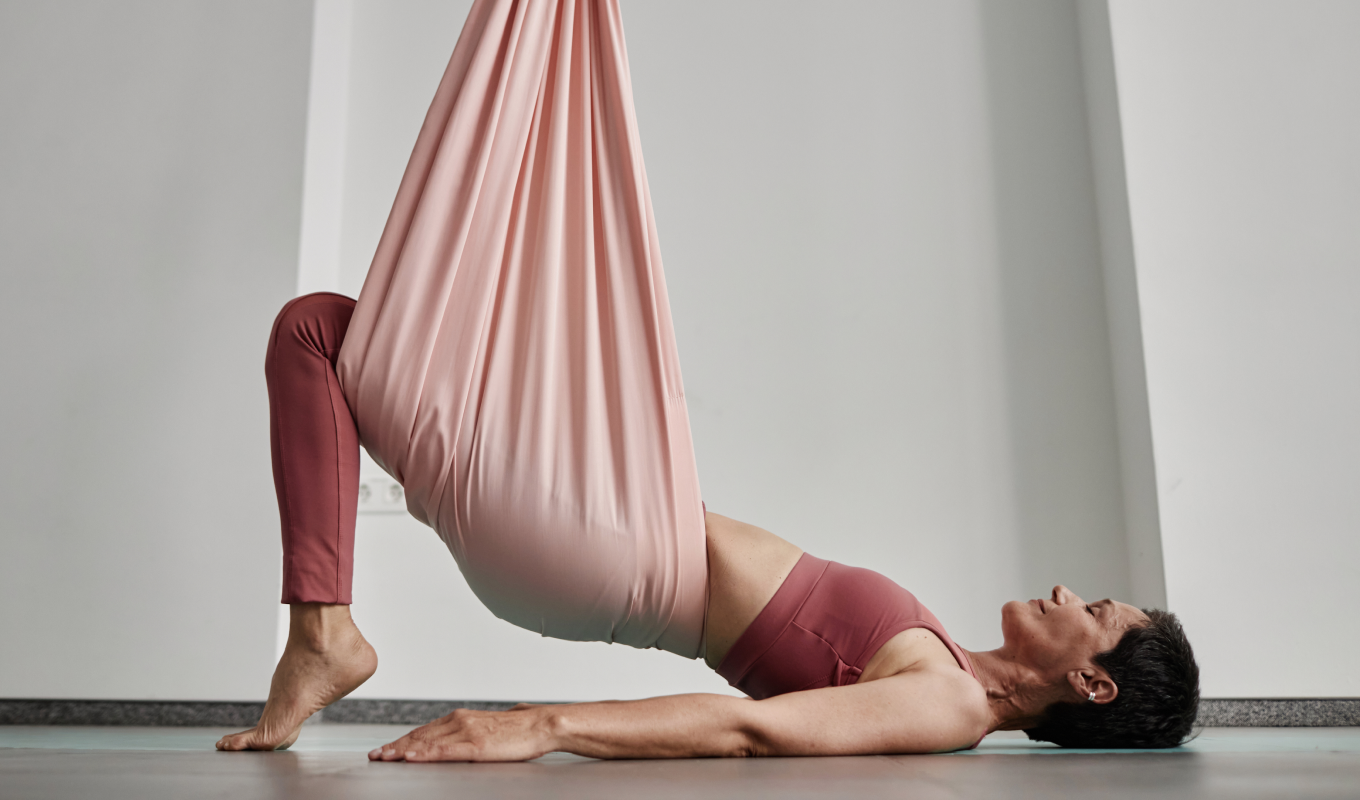
Lying on your back with knees bent, lift your hips while tightening your pelvic and gluteal muscles. This move strengthens the posterior chain and improves core coordination.

Gently rock your pelvis forward and back to enhance spinal mobility and core engagement.

Luna therapists recommend applying these principles during everyday activities, like standing from a chair or lifting objects, to retrain coordination.
Expert Tips for Lasting Pelvic Stability
- Consistency matters. Small daily sessions yield better results than occasional workouts.
- Avoid over-tightening. Strength comes from balanced muscle activation, not constant contraction.
- Focus on breath. Coordinating breathing with movement improves control and relaxation.
For additional guidance, the Cleveland Clinic offers helpful insights into proper Kegel technique and pelvic health awareness.
When to Seek Professional Help
If you experience ongoing pain, leakage, or pelvic pressure, consulting a licensed physical therapist can make all the difference. Luna’s in-home pelvic floor therapy program offers
private, one-on-one care that helps patients rebuild confidence and function from the comfort of home. Learn more about Luna’s pelvic floor therapy
services here.
Pelvic floor exercises do more than support recovery, they strengthen your foundation, stabilize your movement, and improve overall quality of life. With consistency and professional guidance,
you can build a healthier, more resilient core for the long term.