Physical Therapy After Surgery
Surgery is often just one step in a longer recovery journey. What happens afterward, including how you move, heal, and regain your confidence, can make a meaningful difference in how you feel long term. Physical therapy (PT) plays a significant role in
that process by helping people rebuild their strength and improve their mobility, so they can safely return to daily activities.
Post-surgical physical therapy is for adults of all ages, but it can be especially helpful for older adults or anyone facing mobility challenges after a procedure. It provides structured, guided movement at a time when the body is healing and needs extra
support.
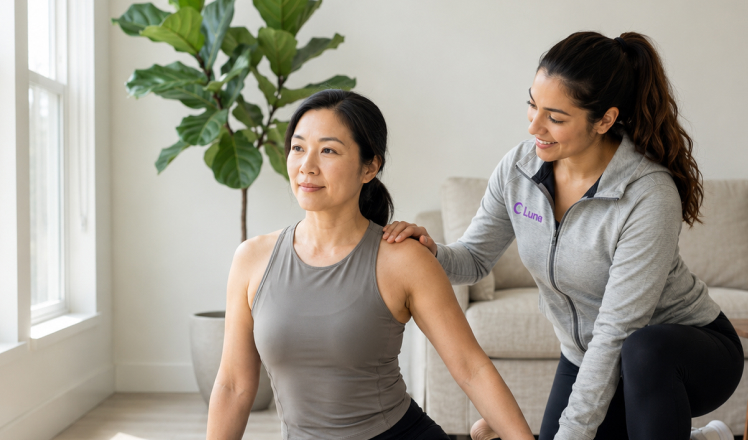
For many patients, receiving one-on-one physical therapy at home makes recovery feel more manageable. Care happens in familiar surroundings, without the stress of travel. With in-home physical therapy, your care focuses on the movements that matter most
in your everyday life, including getting out of bed, walking safely, climbing stairs, and regaining your independence.
Luna’s Physical Therapists Support Post-Surgical Recovery
Luna delivers outpatient physical therapy directly in the home, with every session provided one-on-one by a licensed physical therapist. This approach allows your care to stay focused, consistent, and tailored to your individual recovery needs.
Luna therapists have experience supporting patients after a wide range of surgical procedures, including orthopedic surgeries. Treatment plans are personalized based on the type of surgery you had, your overall health, and your recovery goals. As your
healing progresses, your care plan adapts, which ensures your therapy continues to meet you where you are.
Because therapy happens at home, our therapists can also help patients and caregivers understand how to move safely within the space they use every day. This hands-on guidance often brings reassurance during recovery, especially for caregivers supporting
a loved one at home.
What Is Post-Surgical Physical Therapy?
Post-surgical physical therapy, sometimes called post-operative physical therapy, focuses on restoring movement, strength, and function after surgery. It supports the body’s natural healing process while helping patients regain confidence with movement.
Physical therapy can help improve your circulation and blood flow, manage stiffness, and reduce the buildup of scar tissue that may limit your mobility. Through guided exercises and hands-on techniques, therapists support healing without placing unnecessary
stress on the surgical area.
Many people associate physical therapy with outpatient clinics. However, in-home physical therapy offers the same outpatient-level care but removes the need to travel during recovery. Instead, therapy takes place in the home. This allows exercises and
movement strategies to reflect your daily tasks.
After surgery, how soon you start physical therapy depends on the procedure and guidance from your healthcare provider. Some patients begin therapy soon after surgery, while others start once the first part of healing begins. Your physical therapist will
work closely with you and your care team to determine the right approach for you.
Post-Surgical Recovery Symptoms Physical Therapy Can Help With
It’s common to experience physical changes after surgery, even when your healing is progressing well. Physical therapy helps address many of the challenges that can arise during your recovery, including:
- Pain or discomfort near the surgical site
- Stiffness or limited range of motion
- Swelling or soft tissue tightness
- Muscle weakness following surgery
- Difficulty with everyday tasks, such as walking, standing, getting dressed, or using stairs
With personalized guidance, PT helps patients rebuild their strength and mobility gradually. It supports recovery without pushing the body too far, too fast.
What Can Slow or Complicate Recovery After Surgery?
The recovery process doesn’t always move at the same pace for everyone. Certain factors can slow your progress or make your recovery feel more difficult:
- Scar tissue can develop if you’re immobile for too long, which can limit your flexibility and range of motion.
- Prolonged rest after orthopedic surgery may lead to stiffness, muscle weakness, blood clots, and reduced confidence with movement.
- Ongoing pain or inflammation can also make it harder to stay active during your recovery.
- Pre-existing health conditions, balance challenges, or chronic pain can add another layer of complexity.
Physical therapy helps address these challenges by encouraging safe, guided movement and providing structure during a time when many patients feel uncertain about what they should or shouldn’t be doing.
What Physical Therapy After Surgery Typically Looks Like
Post-surgical physical therapy meets you where you are. It helps you heal while gradually restoring your independence. While every care plan is different, most follow a similar structure:
Initial Evaluation and Recovery Planning
The first session includes a detailed evaluation of your movement, strength, and function. Your therapist reviews your medical history, surgical details, and recovery goals to create a plan that supports your safe progress.
Hands-On Support and Gentle Movement
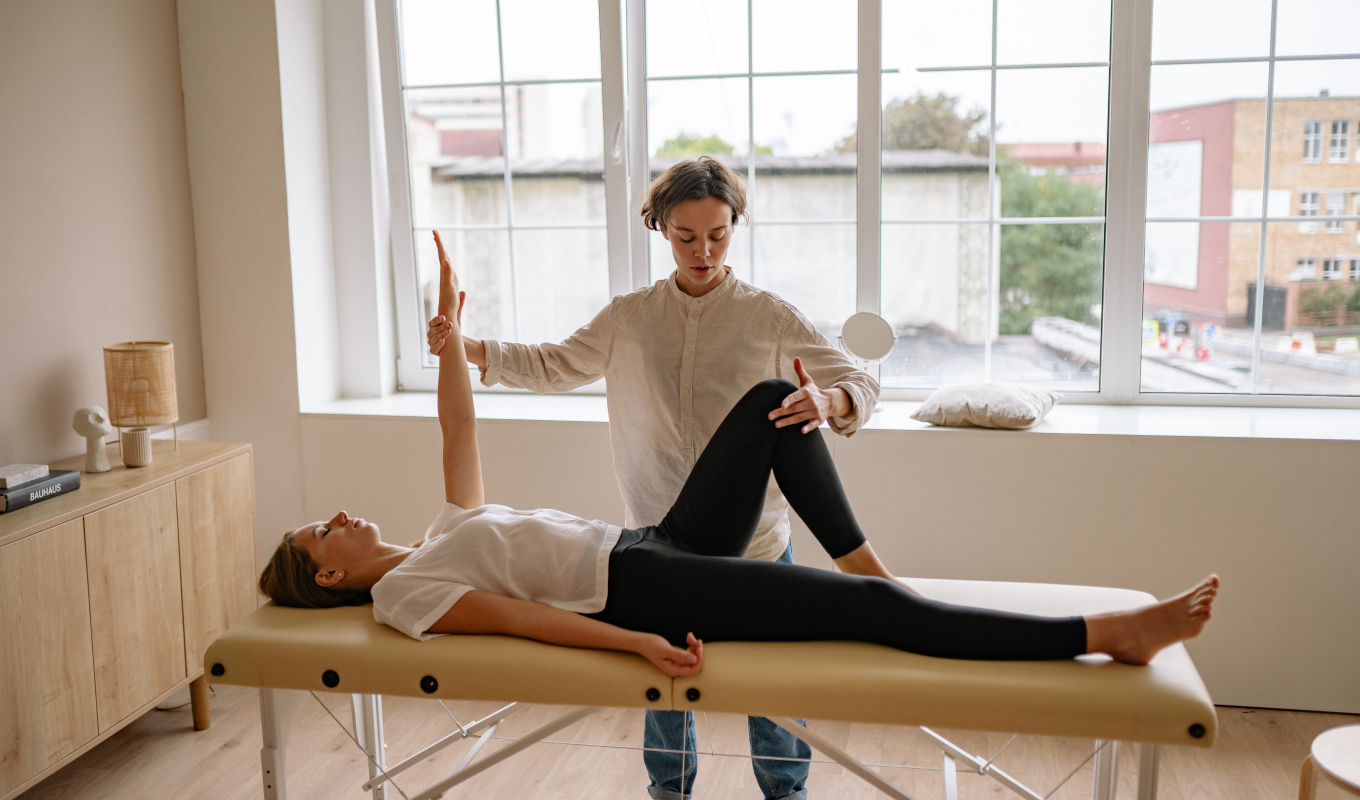
As appropriate, manual therapy techniques and gentle mobilizations may be used to support your flexibility, reduce stiffness, and improve comfort during movement.
Range-of-Motion and Strengthening Exercises
Therapy includes guided exercises that restore your mobility and rebuild your strength over time. These range-of-motion exercises are adjusted carefully to align with your healing and recovery milestones.
Pain Management Education
Your therapist will share strategies to help you manage your discomfort safely. This can help you become more confident as you move around your home.
Gradual Return to Daily Activities
As you heal, therapy focuses more on functional movements. These include standing, walking, climbing stairs, and other tasks that support your independence and quality of life.
Recover with Personalized Physical at Home with Luna
Recovering from surgery can feel physically and emotionally demanding, especially when your mobility is limited. Luna helps reduce that burden by delivering focused, one-on-one outpatient physical therapy directly to your home. With us, care is designed
around your schedule, your recovery needs, and your environment, so you can focus on healing without added stress.
Get the support you need during recovery, right where you’re most comfortable. Contact us today to set up an appointment and to learn more about our
personalized treatment plans.
Frequently Asked Questions About Physical Therapy After Surgery
What conditions and surgeries benefit most from post-surgical physical therapy?
Physical therapy is commonly recommended after orthopedic surgeries, such as anterior cruciate ligament (ACL) repairs, joint replacements, knee or hip procedures, spine surgeries, and other operations that affect your movement. It can also be used to
help recover from sports injuries, such as torn rotator cuffs. Your healthcare provider can help determine what’s appropriate for your recovery.
How soon should physical therapy start after surgery?
The timing depends on the type of surgery and guidance from your doctor. Some people begin physical therapy shortly after surgery, while others start once they have begun to heal.
How long does recovery take after surgery with physical therapy?
Recovery times vary from person to person. Your procedure, overall health, and how consistent you are with your therapy all play a role. Physical therapy supports steady progress throughout the process.
What does a post-operative physical therapy session include?
Sessions typically include assessment, a guided exercise program, direct techniques when appropriate, and education focused on safe movement and recovery goals.
Is in-home physical therapy safe after surgery?
Yes. In-home physical therapy provides outpatient-level care delivered by licensed physical therapists. Care is adapted to your home environment to support safe movement during recovery and to align with your unique needs.