
How long does ACL and meniscus recovery take?
Recovery timelines vary, but a full return to high-impact activities or pivoting sports like skiing generally takes anywhere from 9 to 12 months with consistent physical therapy.
Recovering from a combined ACL and meniscus surgery requires patience, precision, and a carefully structured rehabilitation plan. Whether you were injured on the ski slopes or during a weekend game, healing involves protecting the joint, restoring full motion, and progressively rebuilding strength and neuromuscular control. This guide breaks down the essential phases of recovery and explains how outpatient physical therapy delivered in your home can help you safely return to your active lifestyle without the hassle of traveling to a clinic.
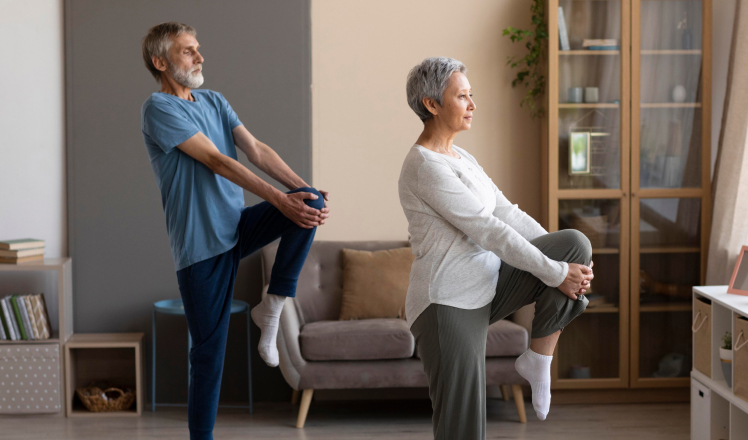

A combined ACL and meniscus injury is a significant setback, but a full return to the activities you love is entirely possible with the right rehab plan. Because the meniscus requires special care to heal properly, your recovery will look a bit different
and take slightly longer than a standard ACL surgery alone. Luna is here to guide you through every phase, ensuring you rebuild your strength safely right where you live. Here is what you can expect during your surgery recovery journey.

The first phase of your recovery is entirely focused on protecting your healing knee and managing inflammation. Because your meniscus was repaired, your surgeon will likely give you specific weight-bearing restrictions to follow. You will probably need to use crutches and a brace for several weeks to prevent putting too much pressure on the delicate stitches. During this time, managing your pain and swelling with ice and elevation is your top priority. Controlling this inflammation early on keeps your tissues flexible and sets a strong foundation for the rest of your recovery.

The knee is a finicky joint and can easily get stuck if left in a position for too long. This will cause a host of long term issues, delay healing and return to your chosen activities. A primary goal of the healing phase, which should be done concurrently with step 1 is restoring full knee range of motion, specifically, terminal knee extension. The ability to get your knee all the way straight is critical for walking, balance and enjoying recreational activities. Your Luna physical therapist will come directly to your home, guiding you through safe exercises to help you restore this motion in addition to strengthening the muscles around the joint, including the quadriceps, which tend to become weak and dormant after surgery. Working on this early mobility prevents scar tissue from building up and causing long-term stiffness, limitations and potential future surgery.
As your weight-bearing restrictions are lifted, you will enter the strength building phase. In this phase, your Luna therapist will guide you through progressively challenging exercises and activities geared towards early functional training, single limb balance, weight shifting and strengthening of the quads, hamstrings and glutes. Doing these exercises consistently in the comfort of your own home helps you relearn how to support your body weight safely and normalize your walking pattern. Developing a strong foundation is essential for initiating plyometrics, agility training or higher level activities like sports.

Strength alone is not enough; your knee also needs to know how to react to unexpected movements. This phase focuses on proprioception and neuromuscular control, which is your body's awareness of where it is in space and how your body communicates to control
muscle action. 
Your
physical therapist will introduce balance exercises and stability drills to train your joints to respond quickly. During therapy we will target both limbs to ensure symmetry, and some activities may include balance boards, agility ladders or steps
for plyometrics. This invisible layer of protection is what prevents future falls and keeps your knee safe when you eventually start moving faster, running or returning to sports like basketball, soccer or activities like skiing.

The final phase of recovery is all about getting you back to the activities you love, whether that is pick up basketball, soccer with your kids, hiking, running, or hitting the ski slopes. This stage involves dynamic movements, agility training, and sport-specific exercises. Your physical therapist will ensure you have the explosive strength, control, and confidence required for high-impact activities. Recovery is a marathon, not a sprint, but with consistent physical therapy, you can successfully bridge the gap from surgery to a strong, active life.

Recovery timelines vary, but a full return to high-impact activities or pivoting sports like skiing generally takes anywhere from 9 to 12 months with consistent physical therapy.
The meniscus acts as a shock absorber in your knee. When it is repaired alongside the ACL, you must limit the weight you put on your leg early on to protect the delicate stitches while they heal, which extends your early recovery timeline.
Most patients begin physical therapy within the first week after surgery, depending on their surgeon's specific protocols. Starting early helps safely manage swelling and restore basic motion.
Yes. In-home physical therapy provides expert, one-on-one care in the safety of your home. This is especially helpful during the first few weeks when you are on crutches and navigating travel to a clinic is difficult and exhausting.
Early therapy focuses on gentle stretching and quad activation, while later stages incorporate weight-bearing exercises, balance training, and eventually, sport-specific agility drills.
Download our guide and learn what to expect during ACL and meniscus surgery recovery.
Download Full Guide
Marcy Arenas is a Doctor of Physical Therapy at Luna, specializing in sports rehabilitation and orthopedic recovery. She is a Certified SportsMetrics Specialist, has developed a Sports Medicine adolescent program, and is a published author in Return to Sports testing post ACL reconstruction. She is a treating PT with Luna helping patients safely return to the activities they love.
Learn more
A torn ACL is a painful and often debilitating injury that can affect athletes and non-athletes alike. Learn how to recognize the symptoms early and explore treatment options that support a full recovery at home.
Read more
Recovering from a torn ACL can be challenging, but the right physical therapy program makes a full comeback possible. Discover five essential ACL rehab exercises and how Luna’s at-home therapy model supports your recovery journey.
Read more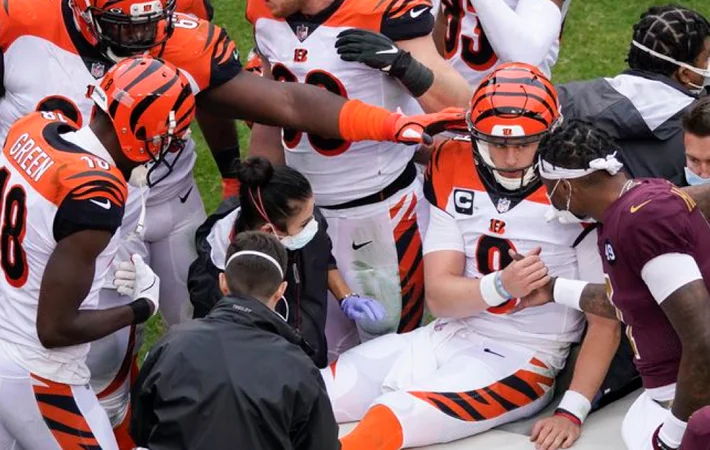
Joe Burrow’s rookie season ended with an ACL tear, requiring surgery and months of rehab. His recovery depends on PT to restore knee function and stability. With proper treatment, he’s set to return stronger than ever.
Read more

Thanks for signing up for our blog newsletter. Get ready for wellness tips and expert advice from our therapists.
Explore Our Blogs