
How long does rotator cuff recovery take?
Recovery timelines vary depending on the severity of the injury and whether surgery was required. Some patients improve within weeks, while surgical recovery may continue for several months.
 Patient Care and Recovery Hub
5 Steps to a Successful Rotator Cuff Surgery Recovery and Rehab
Patient Care and Recovery Hub
5 Steps to a Successful Rotator Cuff Surgery Recovery and Rehab
Recovering from a rotator cuff injury or surgery requires more than rebuilding shoulder strength. Successful recovery involves restoring mobility, retraining movement patterns, and protecting healing tissues throughout each phase of rehab. This guide breaks down five essential steps for safe, effective rotator cuff recovery with support from personalized, in-home physical therapy. With consistent care and guided movement, patients can improve shoulder function and return to daily activities with greater confidence.


The rotator cuff depends on four muscles working together to support shoulder movement and stability. After an injury or surgery, recovery involves more than simply rebuilding strength. These muscles must also relearn how to move together safely and efficiently.
The goal of rotator cuff recovery is to restore pain-free movement, improve shoulder stability, and rebuild confidence with everyday activities. Here are five important steps that help support a successful recovery.

Proper resting positions may help reduce discomfort and swelling. Patients should avoid pushing through sharp pain during exercises, since excessive strain may slow recovery. Learning the difference between normal muscle fatigue and harmful pain is an important part of rehabilitation. Luna therapists also coordinate with providers to help ensure a smooth transition into physical therapy when patients are ready.
After injury or surgery, it is common for shoulder muscles to temporarily weaken or “shut down.”
Practicing movement at home helps restore communication between the brain and the muscles, supporting safer and more controlled motion. It can also improve functional carryover because exercises are performed in the same environment where patients complete daily activities such as reaching, lifting, and sleeping.

Therapists assess posture, shoulder positioning, and movement patterns to help prevent compensations that may place extra stress on healing tissues.
In-home physical therapy removes the stress of transportation and allows patients to focus their energy on recovery.

Treatment begins with gentle exercises that improve mobility and restore range of motion before progressing to strengthening activities. Passive movement and flexibility exercises are often introduced before active strengthening to help protect healing tissues and avoid common recovery setbacks.
Therapy is gradually progressed based on symptoms, healing, and functional goals.
As recovery progresses, strengthening and stability exercises become more important. Therapy may include shoulder stabilization exercises, posture training, and coordination activities designed to improve joint control and reduce reinjury risk.
Patients also learn practical strategies for sleeping comfortably, lifting safely, and improving posture during daily routines. Consistent movement throughout the week helps reinforce long-term shoulder function and stability.

Rotator cuff recovery is a gradual process. Many non-surgical shoulder injuries improve within several weeks of consistent therapy, while surgical recovery may continue for several months.
Long-term success depends on maintaining shoulder strength, mobility, and healthy movement habits after formal therapy ends. Ongoing exercises and movement awareness help protect the shoulder and support long-term function.

Traveling to outpatient clinics can feel difficult when shoulder pain affects driving, lifting, or daily movement. In-home physical therapy allows patients to receive outpatient-level care in a familiar and comfortable environment.
Therapists can tailor exercises and movement strategies to real-life activities such as reaching into cabinets, getting dressed, sleeping comfortably, and lifting household objects safely. This practical approach often improves confidence and consistency during recovery.

Recovering from a rotator cuff injury or surgery takes patience, consistency, and guided support. Luna provides one-on-one, in-home physical therapy designed to improve shoulder mobility, rebuild strength, and support safe movement throughout recovery.
Book an appointment or Contact Luna today to learn more about personalized
rotator cuff rehabilitation at home.
Recovery timelines vary depending on the severity of the injury and whether surgery was required. Some patients improve within weeks, while surgical recovery may continue for several months.
The timing depends on surgical recommendations and individual healing progress. Physical therapists work closely with providers to support safe rehab.
Yes. In-home physical therapy provides outpatient-level care while allowing exercises and movement strategies to focus on real-life activities.
Treatment may include range-of-motion exercises, shoulder stabilization exercises, posture training, and progressive strengthening activities.
Restoring shoulder mobility helps reduce stiffness, improve function, and prepare the joint for safe strengthening as healing progresses.

Cliff Wolosiansky, PT, DPT, is a highly skilled physical therapist with extensive clinical experience in outpatient orthopedic and vestibular rehabilitation. Since earning his Doctor of Physical Therapy degree, Cliff has developed his expertise at NovaCare and Carolina Physical Therapy Associates, treating a wide range of orthopedic injuries and neurological disorders. His comprehensive background reflects a strong foundation in clinical care and a commitment to helping patients achieve lasting recovery.
Learn more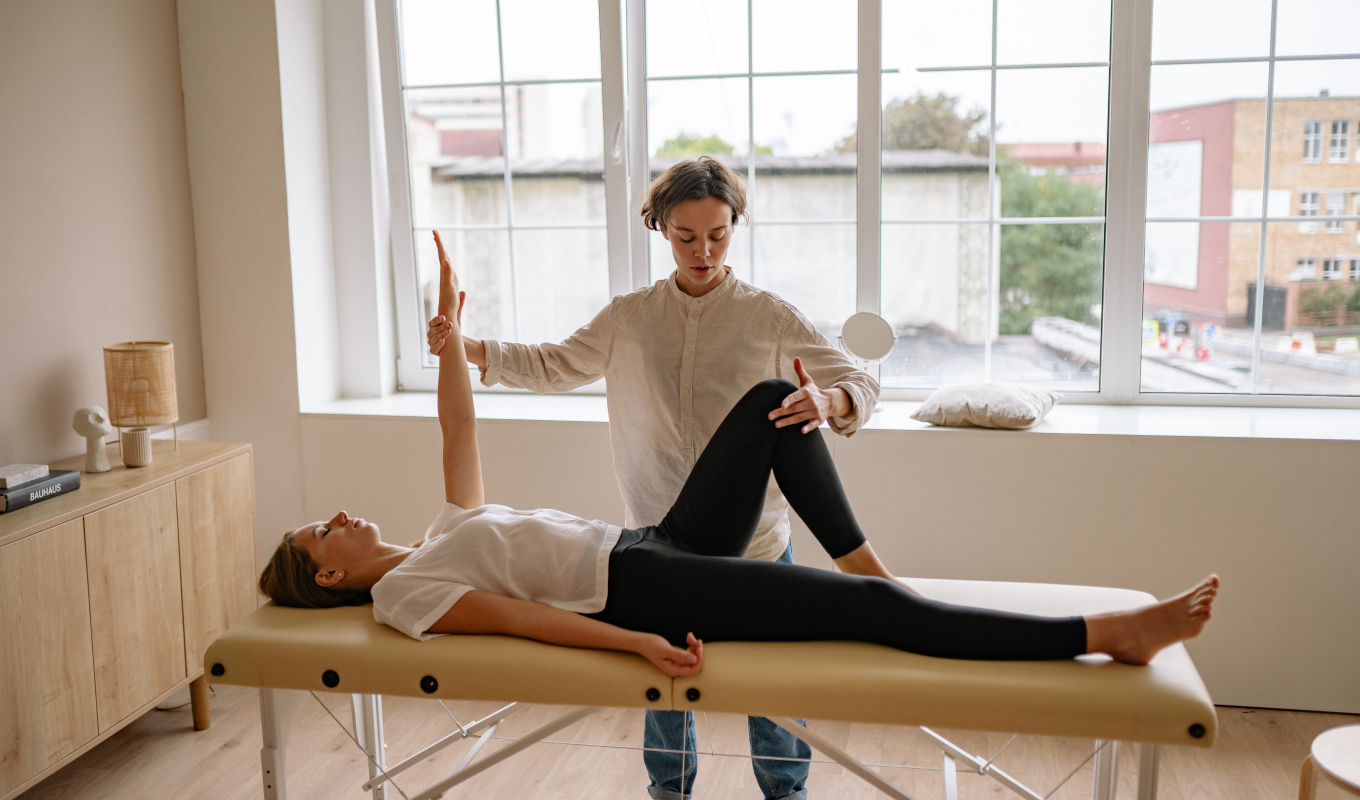
Physical therapy after surgery helps restore mobility, rebuild strength, and guide safe recovery. While surgery addresses the underlying condition, post-surgical physical therapy supports healing through structured, progressive rehabilitation. Treatment focuses on managing pain, stiffness, weakness, and difficulty with daily activities through evaluation, therapeutic exercise, and hands-on care. In-home physical therapy delivers outpatient-level care in a familiar environment, helping patients regain confidence and independence during recovery.
Read more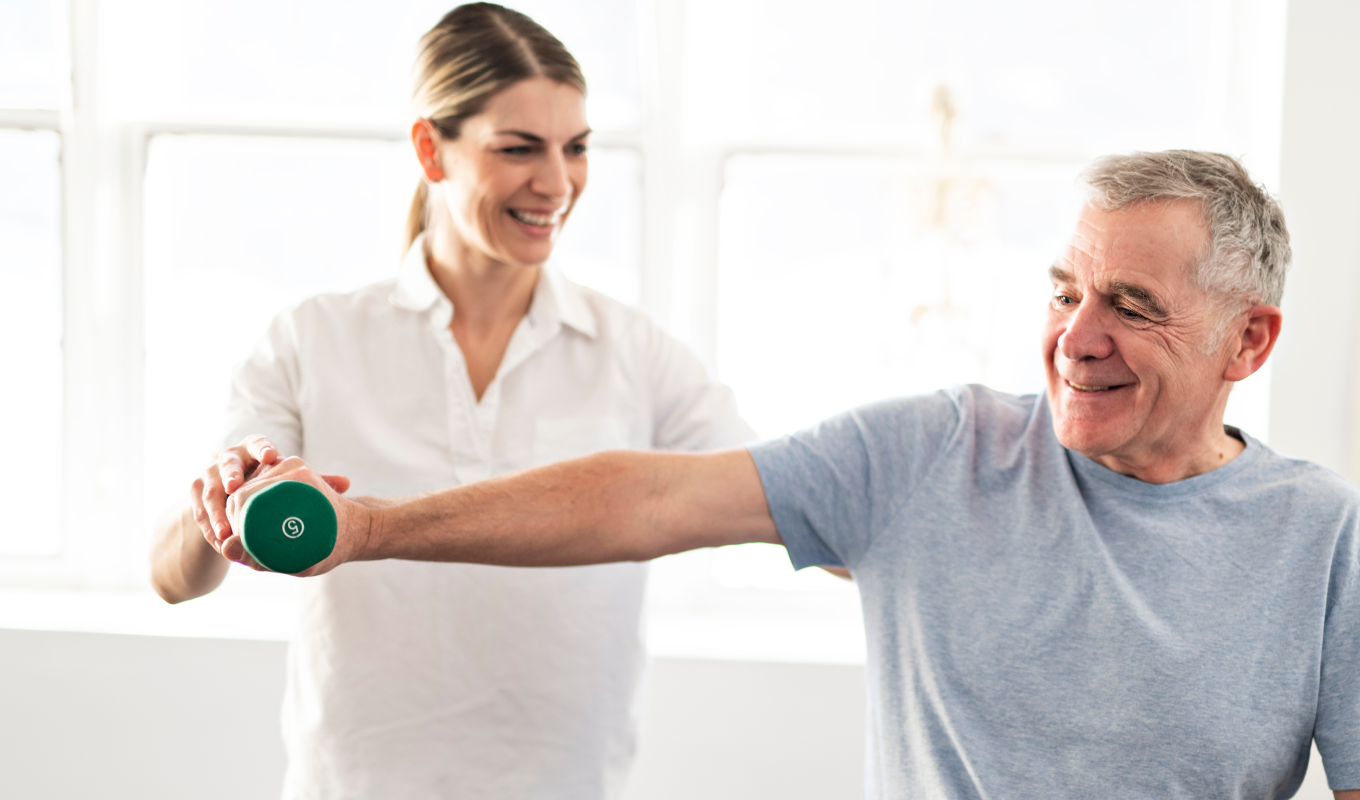
Physical therapy after surgery helps restore movement, rebuild strength, and support safe recovery. While surgery addresses the underlying issue, post-surgical physical therapy reduces stiffness, weakness, and loss of function during healing. In-home outpatient physical therapy provides one-on-one care focused on real-life movements and daily activities. With personalized treatment plans that adapt as recovery progresses, patients can regain confidence, independence, and long-term mobility.
Read more
Wondering when to start physical therapy after rotator cuff surgery? This guide outlines the ideal timeline, expected recovery phases, and how in-home PT can help you regain mobility and strength more effectively.
Read more

Thanks for signing up for our blog newsletter. Get ready for wellness tips and expert advice from our therapists.
Explore Our Blogs