
What is neuroplasticity?
Neuroplasticity is the brain’s ability to form new neural connections and relearn movement patterns after injury or illness such as a stroke.
Stroke recovery and rehab focuses on helping the brain and body reconnect through consistent, guided movement. This guide explains the five essential phases of recovery, including early mobilization, neuroplasticity, strength rebuilding, and functional movement training. In-home physical therapy supports recovery by helping patients practice real-life movements in a familiar environment. With personalized rehabilitation and ongoing support, stroke survivors can improve mobility, rebuild confidence, and regain independence over time.


A stroke can feel overwhelming, but recovery is possible with consistent support and guided rehab. One of the most important concepts in stroke recovery is neuroplasticity, which is the brain’s ability to form new connections and relearn movement patterns over time.
Every movement practiced during recovery helps reinforce these new pathways. With personalized in-home physical therapy, patients can safely rebuild mobility, improve balance, and regain confidence with daily activities.
Here are five essential steps that support a successful stroke recovery and rehab.
During the first stage of recovery, the priority is medical stability and beginning safe movement as early as possible.

Even small assisted movements help stimulate communication between the brain and body. Early mobilization is commonly associated with improved recovery outcomes because movement encourages the brain to begin rebuilding movement pathways.
Coordinating physical therapy early also helps ensure a smoother transition from hospital care to recovery at home.
After a stroke, weakness, balance changes, and movement difficulties often affect everyday activities. Guided movement helps re-establish communication between the brain and muscles through repetition and practice.

In-home physical therapy can be especially helpful because patients practice movement in the same environment where daily activities take place. Physical therapists evaluate walking patterns, transfers, balance, and safety concerns throughout the home to support more practical recovery.
Treatment plans are tailored to each patient’s individual goals, mobility level, and home environment.
Recovery after stroke depends heavily on repetition and consistency. Practicing movements repeatedly helps strengthen neural pathways and improve coordination over time.
Physical therapy may include walking practice, balance training, strengthening exercises, and functional mobility activities designed to improve independence gradually. Progress often happens slowly, but consistent movement and physical therapy help support long-term gains.
Removing transportation barriers through in-home physical therapy may also help patients stay more consistent with care.


Functional recovery focuses on helping patients safely navigate daily life. Physical therapy often includes practicing activities such as walking through the home, standing from a chair, dressing, preparing meals, and using stairs safely.
Because stroke can increase fall risk, physical therapists also provide education on safe transfers, walking aids, home modifications, and balance strategies. Caregivers may also receive guidance to help support safe mobility at home.
Physical therapy may additionally address muscle stiffness and movement limitations through positioning, stretching, and progressive strengthening exercises.
Stroke recovery continues well beyond the first few months after a stroke. While early recovery is important, meaningful improvements in mobility and function can continue over time with consistent practice and physical therapy.

As confidence grows, patients gradually return to more daily activities and routines. Physical therapists continue adjusting treatment plans to support new goals, improve endurance, and reinforce safe movement habits.
Recovery is an ongoing process built through small, steady improvements over time.
Traveling to outpatient clinics after a stroke may feel physically and emotionally exhausting. In-home physical therapy allows patients to receive outpatient-level rehabilitation in a familiar and comfortable setting.
Physical therapists can focus treatment on real-life movement challenges within the home, helping patients practice mobility and daily tasks more safely and confidently. This practical approach often improves consistency, comfort, and carryover between therapy sessions.

Stroke recovery takes patience, repetition, and personalized support. Luna provides one-on-one, in-home physical therapy designed to help stroke survivors improve mobility, rebuild confidence, and regain independence safely at home.
Book an appointment or Contact Luna today to learn more about personalized
stroke rehabilitation delivered directly to your home.
Neuroplasticity is the brain’s ability to form new neural connections and relearn movement patterns after injury or illness such as a stroke.
The timing depends on medical stability and provider recommendations, but early movement is commonly encouraged when appropriate.
Yes. In-home physical therapy provides outpatient-level care while allowing patients to practice real-life movement safely in their home environment.
Physical therapy may include balance training, walking practice, strengthening exercises, transfer training, and task-oriented functional movement activities.
Recovery timelines vary for each person. Many stroke patients continue making progress over months or even years with consistent physical therapy and guided movement practice.

Cliff Wolosiansky, PT, DPT, is a highly skilled physical therapist with extensive clinical experience in outpatient orthopedic and vestibular rehabilitation. Since earning his Doctor of Physical Therapy degree, Cliff has developed his expertise at NovaCare and Carolina Physical Therapy Associates, treating a wide range of orthopedic injuries and neurological disorders. His comprehensive background reflects a strong foundation in clinical care and a commitment to helping patients achieve lasting recovery.
Learn more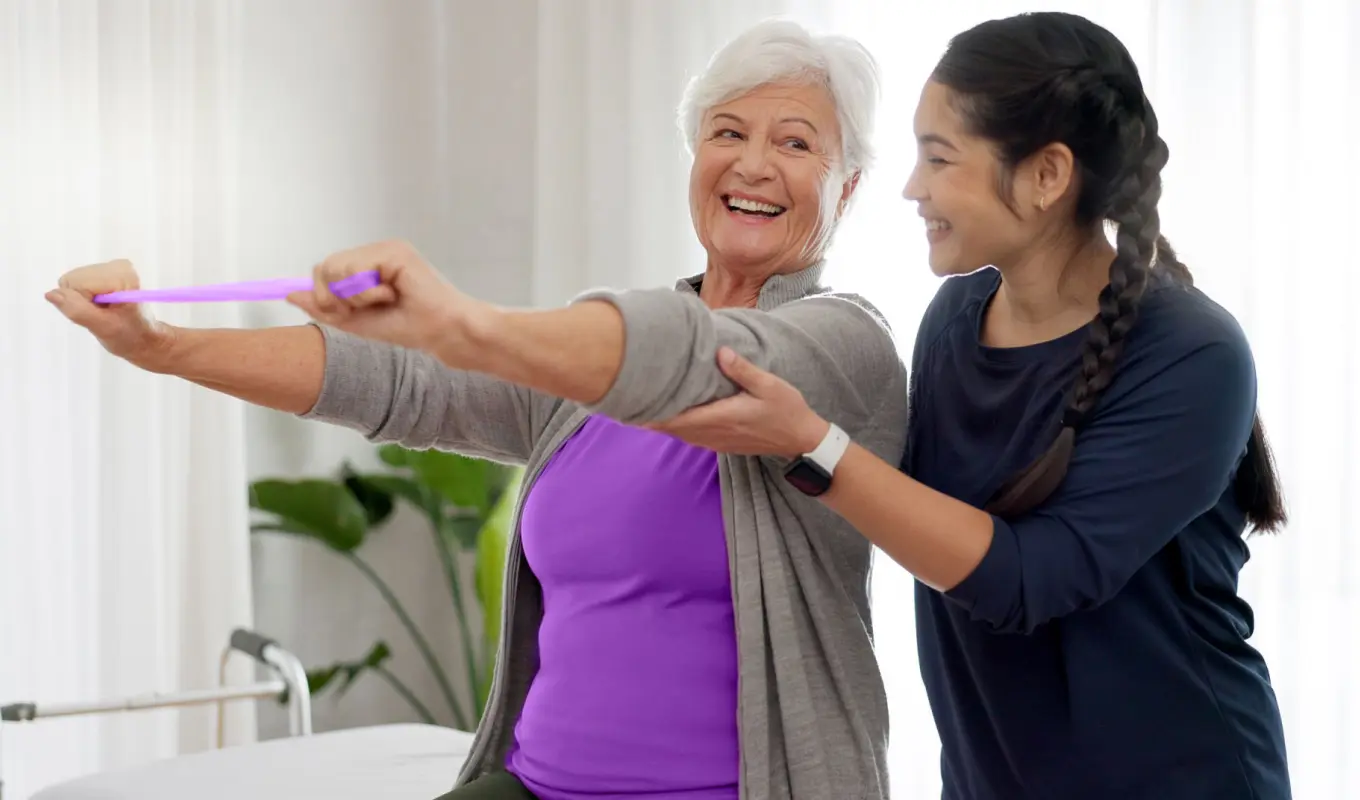
Explore the most common reasons people seek physical therapy and learn who can benefit from these interventions. From injury recovery to chronic pain management, discover how physical therapy plays a pivotal role in improving mobility, reducing pain, and enhancing overall well-being.
Read more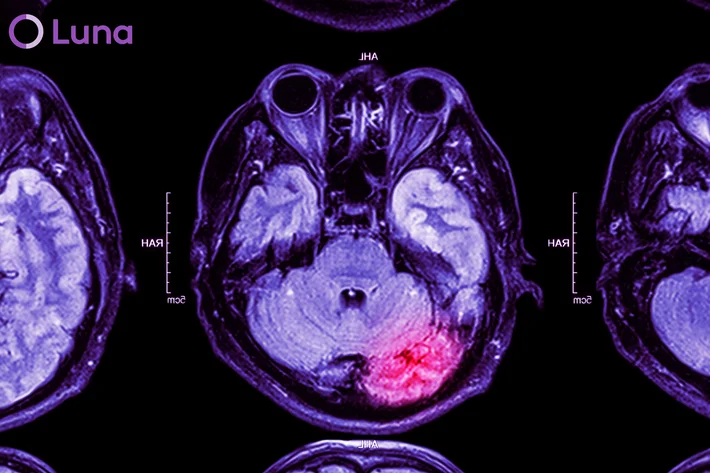
A stroke can be life-changing, making physical therapy essential for recovery. On-demand PT delivers expert, one-on-one care at home, restoring mobility, strength, and independence while eliminating transportation barriers. Luna’s personalized rehab helps stroke survivors regain confidence and improve their quality of life.
Read more

Thanks for signing up for our blog newsletter. Get ready for wellness tips and expert advice from our therapists.
Explore Our Blogs