You probably have a good idea of what physical therapy offers: a highly trained therapist with a plan to restore movement, build strength and endurance, and help you recover from injury.
Occupational therapy is less well understood.
And that may cause you to overlook an important part of healthy aging. Staying physically strong isn't the whole story. As you age, changes can also occur in:
- Dexterity and coordination
- Reaction time and body awareness
- Attention, memory, and sensory processing
These abilities help determine not simply how long you live, but how long you can stay active, independent, and engaged.
That's where PT and OT can offer two complementary approaches to your healthspan.
PT and OT: What's the Difference?
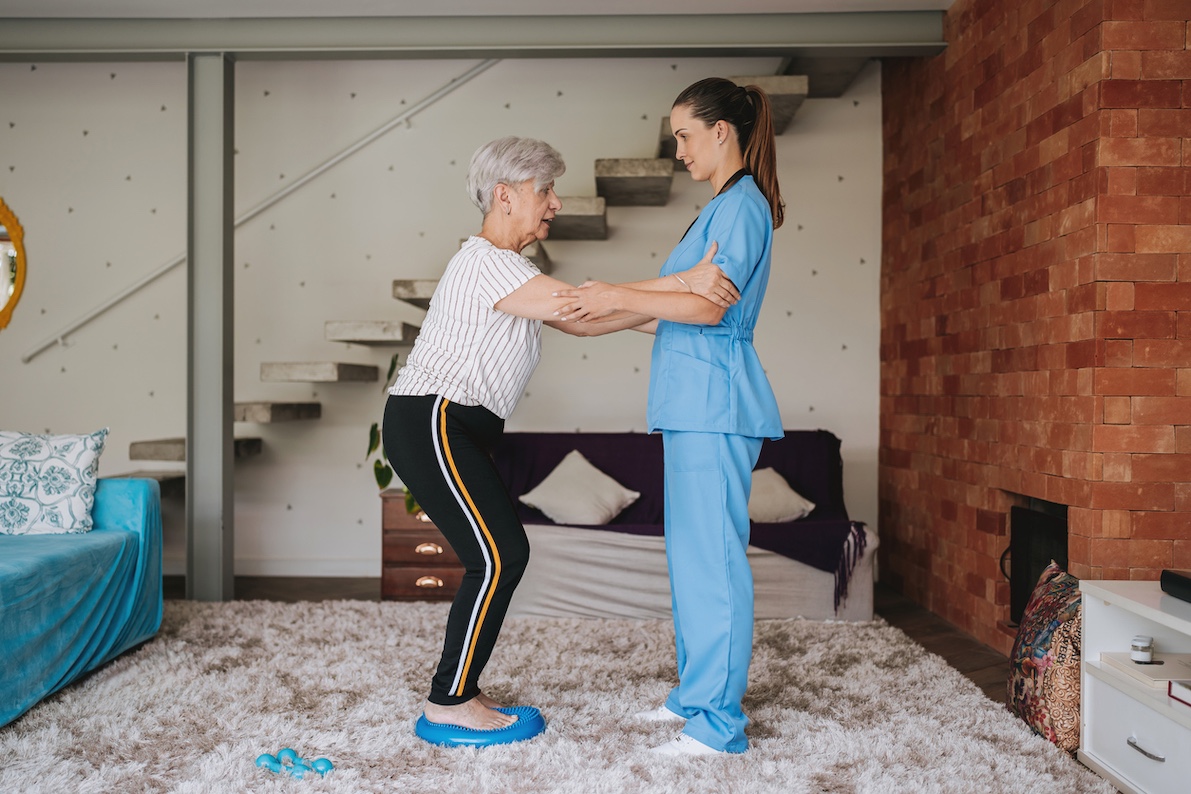
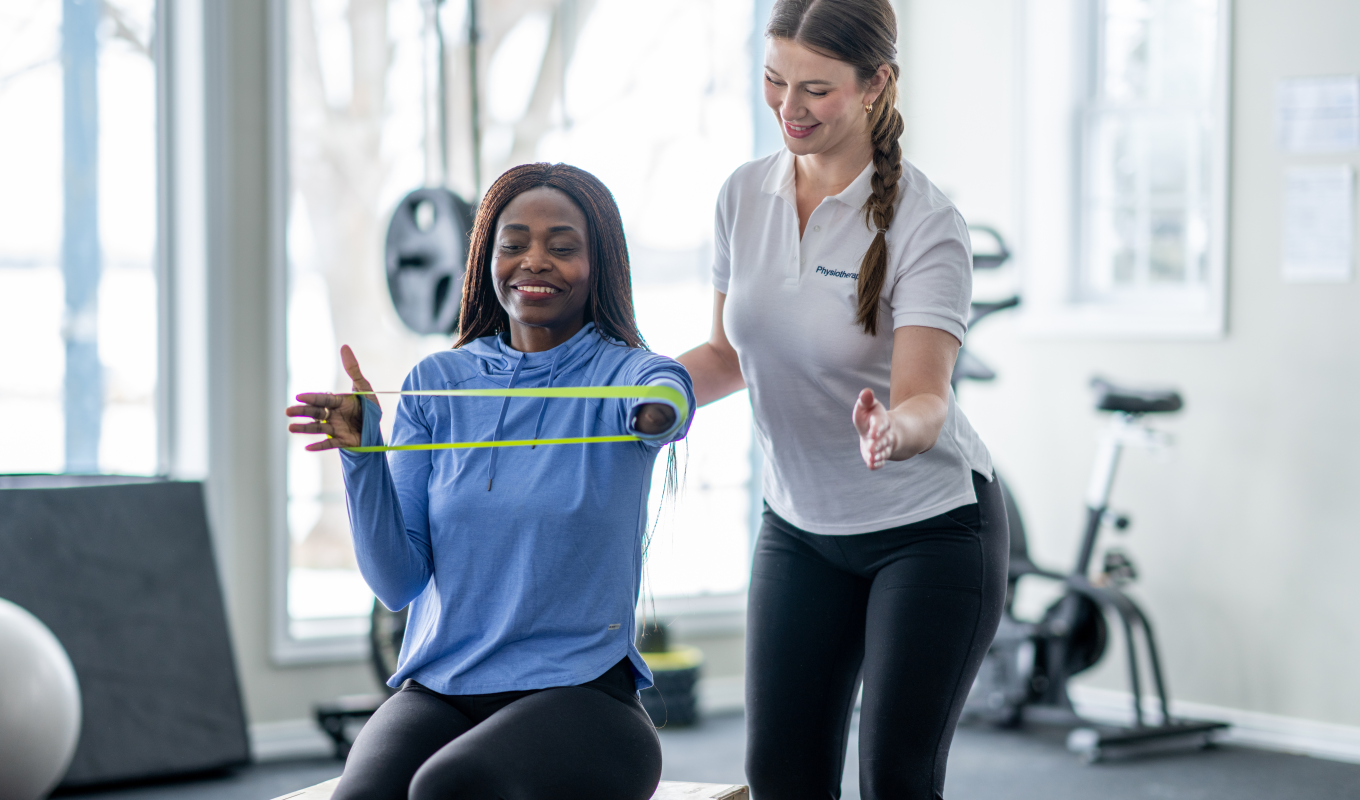
Physical therapy (PT) focuses primarily on your capacity to move—strength, mobility, balance, endurance, and range of motion.
Occupational therapy (OT) focuses on the physical, cognitive, and sensory capacities you use to interact with your surroundings and participate in life.
An easy way to think about it:
- PT helps you move through the world.
- OT helps you engage with the world.
Together, they address two important dimensions of your healthspan: physical capacity and functional capacity.
Physical Therapy: Keep Moving
Physical therapy isn't just rehabilitation after surgery or injury. It can also help preserve the abilities that keep you active as you age.
A PT might work with you on:
- Strength and endurance
- Balance and mobility
- Flexibility, range of motion and pain
The first changes can be subtle. Stairs feel harder. You don't walk quite as far. Getting out of a low chair takes more effort.
Over time, those small limitations can cause you to do less.
PT can help you keep moving—and keep your world from getting smaller.
Occupational Therapy: Keep Engaging
Occupational therapy isn't simply about relearning how to bathe or dress. Those functions matter, but they're only part of OT.
An OT may address:
- Physical skills: hand strength, dexterity and coordination
- Sensory and perceptual skills: body awareness, proprioception and visual processing
- Cognitive skills: attention, memory, planning and problem-solving
These capabilities show up everywhere.
They let you use a smartphone, prepare a meal, garden, drive, work, travel, use tools, play an instrument, pursue hobbies, and manage increasingly complex activities.
OT helps preserve the capabilities that allow you to keep doing the things that make you you.
Your Healthspan Is More Than Strength
You hear a lot about staying physically fit as you age: walk more, lift weights, maintain cardiovascular fitness.
All of that matters. But physical fitness alone doesn't guarantee functional independence.
A broader view of healthspan asks:
- Can you move? Do you have the strength, balance and endurance to get where you want to go?
- Can you interact? Can you coordinate, manipulate and respond to the world around you?
- Can you manage? Can you plan, remember, problem-solve and adapt?
PT and OT approach those capabilities from different directions—and often overlap.
Don't Wait for Something to Go Wrong
You may first encounter PT or OT after a joint replacement, stroke, fall, injury or hospitalization.
But recovery is only part of the story.
Both disciplines can also help address changes associated with chronic conditions and aging:
- You're walking less or feeling less confident in your balance.
- Your hands aren't as nimble, or a favorite hobby has become harder.
- Complex activities require more concentration or organization.
Small changes can gradually change how you live.
The healthspan goal is bigger: preserving the capabilities that help you remain active and independent—and keeping your world as large as possible for as long as possible.
It's also why Luna is beginning to explore how occupational therapy can complement the physical therapy care we already provide.