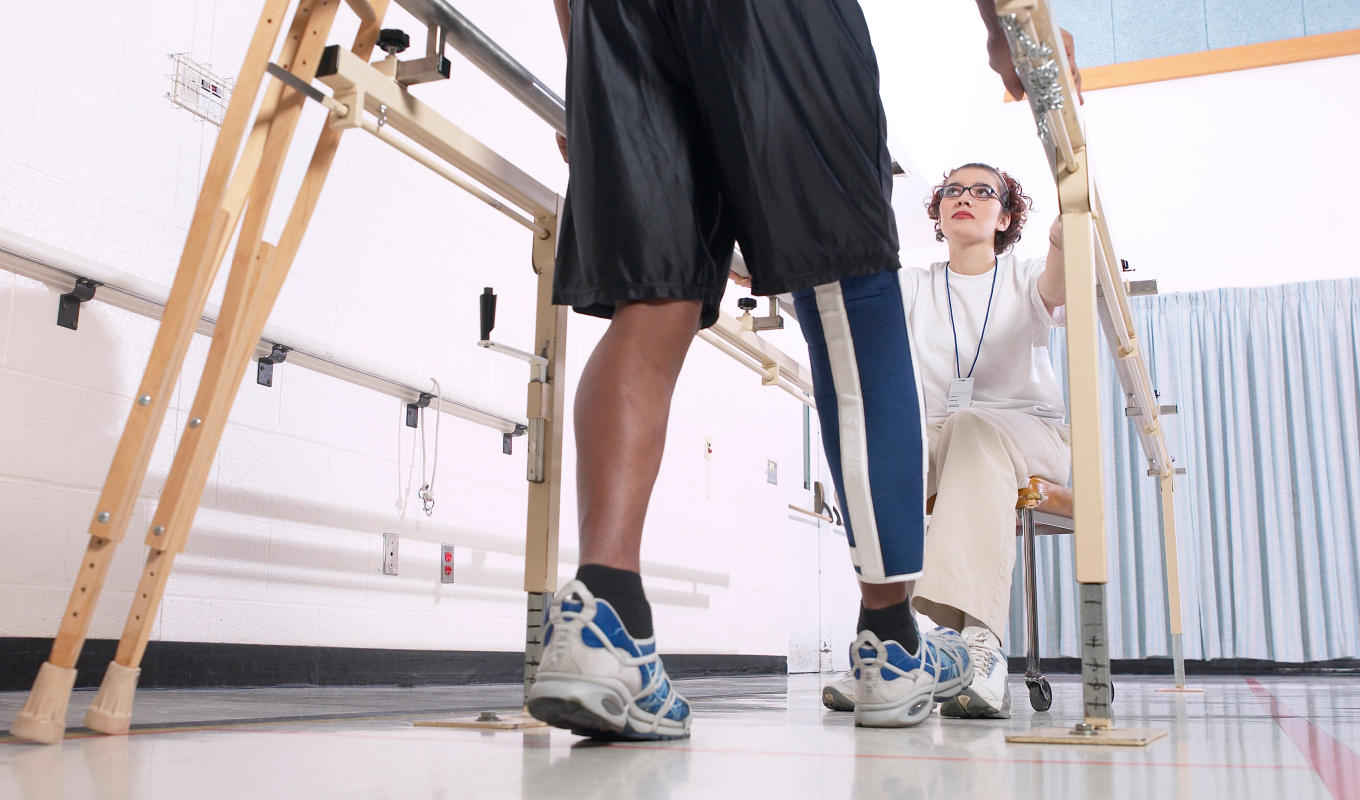
Orthopedic Physical Therapy
Orthopedic physical therapy (PT) focuses on helping you move with less pain, more confidence, and greater ease in your everyday life. If muscle or joint pain limits your ability to stay active, recover from surgery, or complete daily tasks, physical therapy
can play a key role in supporting your mobility and overall quality of life.
This type of therapy is for adults of all ages, from people recovering from orthopedic surgery or sports injuries to older adults managing arthritis, stiffness, or balance concerns. Orthopedic physical therapy doesn’t just focus on where something hurts.
It looks at how your entire body moves and works together. It helps address the root causes of discomfort while supporting your long-term function.
Receiving personalized in-home physical therapy in a familiar environment can make care feel more accessible, safer, and easier to stick with, especially if traveling to a clinic feels challenging or disruptive. The goal isn’t short-term relief; it’s
supporting long-term mobility, independence, and quality of life.
Luna’s Orthopedic Physical Therapists Treat Musculoskeletal Conditions
When you choose Luna, you receive care from licensed Doctors of Physical Therapy (DPTs) with experience treating a wide range of musculoskeletal conditions. Every session is one-on-one, meaning your therapist’s full attention is on you, your goals, your comfort, and your progress.
Because care is delivered in your home, your therapist can see how pain or mobility challenges affect your real-life activities. This allows your treatment to be more practical and personalized, whether you’re getting up from a chair, climbing stairs,
or returning to activities you enjoy.
Your therapist delivers a treatment plan based on your individual needs, medical history, and daily routines. The focus is on restoring your movement, improving your function, and supporting your long-term health, not rushing through exercises or overlapping
appointments. When appropriate, our therapists can also coordinate with your broader healthcare providers to help ensure your care aligns with your overall treatment plan.
What Is Orthopedic Physical Therapy?
Orthopedic physical therapy is a specialized area of physical therapy that focuses on the musculoskeletal system, which includes your muscles, joints, bones, tendons, and ligaments. These structures work together to support your movement, stability, and
purpose. When something isn’t working well, whether due to injury, surgery, or wear and tear, pain and limited mobility can follow.
Orthopedic physical therapists are trained to evaluate how you move, identify areas of weakness or restriction, and create a plan that supports your recovery and prevents future injury when possible. Your doctor may recommend therapy after a surgical
procedure, following an injury, or to help manage ongoing conditions like osteoarthritis or chronic pain.
One key difference between traditional outpatient clinics and in-home orthopedic physical therapy is the environment. In a physical therapy clinic, exercises may be performed using equipment that doesn’t reflect your daily surroundings. With in-home care,
therapy is tailored to your space and your routines, helping you practice movements that directly translate to your everyday life.
Orthopedic Conditions Physical Therapy Can Help With
Orthopedic physical therapy can support recovery and symptom management for a wide range of conditions that affect your movement and comfort. These include:
- Back pain, knee pain, and other chronic pain conditions
- Osteoarthritis and joint stiffness that develop over time
- Tendonitis and soft tissue injuries caused by overuse or repetitive motion
- Sprains, strains, and other sports-related injuries
- Carpal tunnel syndrome, tennis elbow, and other arm conditions
- Recovery after joint replacement or other orthopedic surgeries
Your therapist works with you to address your pain and improve your strength and mobility. PT helps you return to your daily activities safely and confidently.
Common Orthopedic Conditions We Treat
Many orthopedic conditions develop gradually or are influenced by how your body moves over time. Luna therapists frequently work with patients managing conditions like the following:
De Quervain’s Tenosynovitis
De Quervain’s tenosynovitis affects the tendons on the thumb side of the wrist. This often causes pain with gripping, lifting,
or repetitive hand motions. It can make everyday tasks, such as opening jars or holding objects, feel uncomfortable. Physical therapy focuses on improving your wrist and thumb mobility, reducing strain, and supporting safer movement patterns during
everyday tasks.
Iliotibial (IT) Band Syndrome (ITB Syndrome)
IT band syndrome involves irritation of the connective tissue that runs along the outside of the thigh. It’s commonly associated
with repetitive movements and can affect your ability to walk, run, or stand for extended periods. Physical therapy may address strength imbalances, flexibility, and movement mechanics to help reduce your discomfort and support healthier movement.
Patellofemoral Pain Syndrome
Patellofemoral pain syndrome causes pain around or behind the kneecap and is often related to muscle weakness, alignment
issues, or altered movement. Orthopedic physical therapy focuses on strengthening your surrounding muscles, improving your mobility, and helping you move with better control and less strain on your knee.
Physical Therapy for Orthopedic Conditions
Orthopedic physical therapy typically follows a structured, yet flexible approach. It can be adapted and changed as your body responds to your treatment and your goals change. It often includes:
Initial Evaluation and Range of Motion Assessment
Your care begins with a comprehensive evaluation. Your therapist assesses your range of motion, strength, posture, balance, and functional movement. They’ll also review your medical history and any referrals when applicable. This evaluation helps guide
a personalized plan of care designed around your specific needs and comfort level.
Hands-On Orthopedic Treatment
Hands-on treatment is often an important part of orthopedic PT. This may include manual therapy techniques, joint mobilization, and soft tissue work to support mobility and reduce stiffness. When appropriate, dry needling may be used as a part of a broader
treatment approach, based on clinical judgement and your preferences.
Therapeutic Exercise and Movement Retraining
Exercise plays a significant role in orthopedic PT. Your therapist guides you through strengthening and stabilization exercises that support safer movement and improved function. Exercises are chosen and progressed thoughtfully as you improve. Your therapist
will give you clear instructions, so you feel confident practicing them between visits.
Pain Management and Long-Term Outcomes
Orthopedic physical therapy supports pain management through movement-based, evidence-informed approaches. Rather than focusing only on short-term relief, therapy aims to build your strength, improve your movement quality, and support your independence
over time. The goal is to help you stay active, reduce your discomfort, and maintain a better quality of life.
Get Started with Orthopedic Physical Therapy at Home
If musculoskeletal pain or limited mobility is affecting your daily life, in-home orthopedic physical therapy can provide personalized support without the barriers of clinic-based care. Luna offers one-on-one treatment delivered directly to your home,
making it easier for you to stay consistent, comfortable, and focused on recovery. Contact us today to schedule an appointment.
Frequently Asked Questions About Orthopedic Physical Therapy
What conditions are treated with orthopedic physical therapy?
Orthopedic physical therapy can help with joint pain, muscle injuries, arthritis, sports injuries, post-surgical recovery, and many other musculoskeletal conditions.
Do I need a referral to start orthopedic physical therapy?
Referral requirements vary by state and insurance plan. Luna’s team can help you understand what’s needed based on your location and coverage.
What does an orthopedic physical therapy session include?
Sessions typically include assessment, direct treatment, guided exercises, and education tailored to your condition and goals.
Is orthopedic physical therapy helpful after surgery or joint replacement?
Yes. Orthopedic physical therapy is commonly recommended after surgery to support safe healing, restore your movement, and improve your strength.
Is in-home orthopedic physical therapy as effective as outpatient care?
In-home orthopedic physical therapy offers the same outpatient-level care, delivered in a familiar environment that allows treatment to be tailored to real-life movement and daily activities.